Staying afloat in one of the world’s most expensive cities.
This post is partially to reassure my mom that, yes, I am eating well, my bank account is (relatively) full, and I’m having a good time without too much spending. When I was planning to study abroad, I didn’t really think about how expensive the city I would be living in would be. So I arrived to Copenhagen, naive, completely unaware that it has been ranked as one of the top ten most expensive cities in the world. My first meal in Copenhagen was at Espresso House, which is essentially Denmark’s version of Starbucks, but if Starbuck’s sold $7 coffee. My first weeks involved a lot of poor estimations (100 kroner is basically $10, right?) and mistakes were definitely made. But as I’ve spent more time in this city I’ve learned to both adjust to the level of expensiveness (word?) in this city and how to prioritize when I spend my money.
The cheapest coffee I’ve found here, with a student discount, is 27 kroner. That’s $3.98, which is on the steep side for the U.S. I’m so grateful to not be a frequent coffee drinker, but if you are, make your coffee (or tea) at home! Just one drink a week from a local cafe will probably add up to about $25 (at least). The same goes for food. As tempting as eating out can be, I try to save it for the most special occasions, and as I’ve gotten more experienced cooking, I’ve found that my food is (about) as good as what I could find going out, and for so much less money.
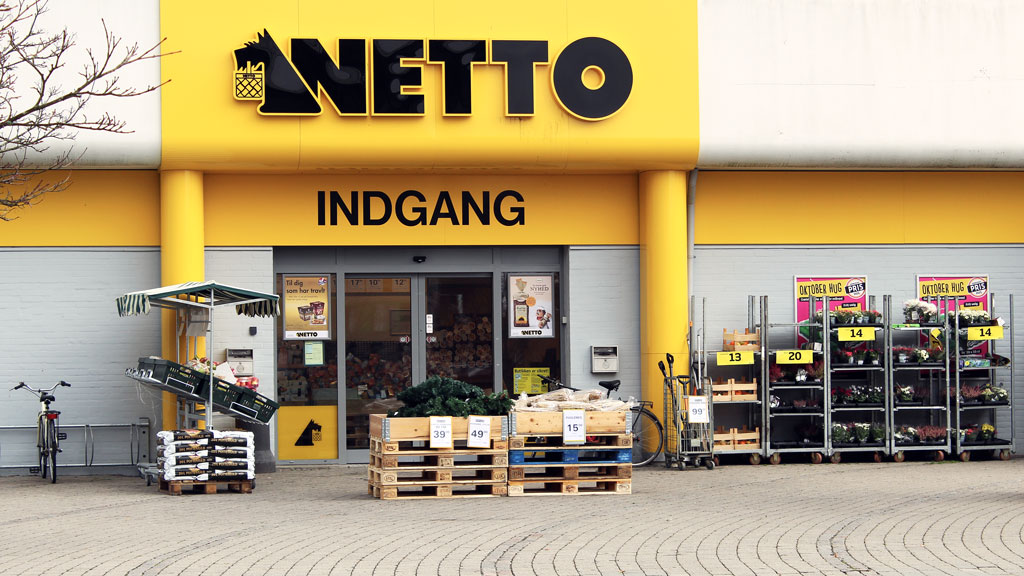
For me it can be really tempting to go get a croissant from a bakery, or fresh strawberries from the small farmer’s market near the Round Tower, but my philosophy is Netto first. Put your grocery card to good use! If I want pastries and don’t want to pay even Netto’s cheap prices, I go (usually with my LLC) after 8 pm when prices are half off to reduce food waste. Not to mention Netto has really great produce for much cheaper than in the U.S. And if you’re looking to drink in Copenhagen (as many study abroad students do) save money and buy alcohol at Netto instead of at bars or clubs where the prices are ten times higher.
I learned this very quickly having to cook for myself 24/7, but a free meal is a good meal. I had one of the best meals of my life at one of the Absalon community dinners. Absalon is a community center that hosts community dinners and social events throughout the year. The whole point of the dinner is to meet new people over a meal. DIS paid for us to have free tickets, and we had a delicious dinner of fresh baked rye bread, meat and potato stew, and beets (classic Danish food). We shared our table with four French professionals who had traveled to Copenhagen for a conference, and even though we only spent an hour together, it was still a special experience. DIS hosts many events throughout the semester that are free to sign up for, and sometimes Kobenhavn University (KU) hosts events that are free to the public and catered.

While I’m on the topic of DIS, I’ve found that there are so many opportunities to participate in free or reduced fee events through DIS. My first week here I went to a New In Town bonfire where we drank rhubarb juice and sang songs around a campfire. That was cute and fun and reminded me of summer camp. There are a wide variety of events and activities, including arts and crafts, board game nights, and even outdoor fitness training.
One of the biggest hurdles for me in my first month in Copenhagen was setting up an actual budget. I knew that I had big expenses coming up, like travel and plane tickets, but it felt like such an overwhelming task. But, as I’ve learned for most things, just sitting down and getting my budget done made me feel so much better. I don’t have specific numbers that I use to limit entertainment or necessities spending, but instead a general goal for money spent each month that I try to stay under. I do have a tighter budget during my time at DIS than most, but I don’t feel like I’m having any less of a great experience because of it.
When I do feel like treating myself (or at least buying a dreadfully expensive coffee at a cafe I know I’ll be at for a while), I always ask for a student discount. One of the best things about living in the center of the city is that nearly everywhere you go will offer a student discount. This can definitely be helpful for saving money. Student discounts can be everywhere from restaurants to airlines. I booked a ticket with SAS, which offers reduced price tickets to youth from age 16-25. I think part of this is because you’re not technically considered an adult in Denmark until you’re 25.
This is only a short list of things that I’ve learned so far this semester, and I’m hoping to make a longer one with everything I’ve learned about budgeting in Copenhagen during my last few weeks here. For now, cheers to student discounts and cheap fun!

 Scandinavian Sights
Your mom is very proud!
LikeLike